
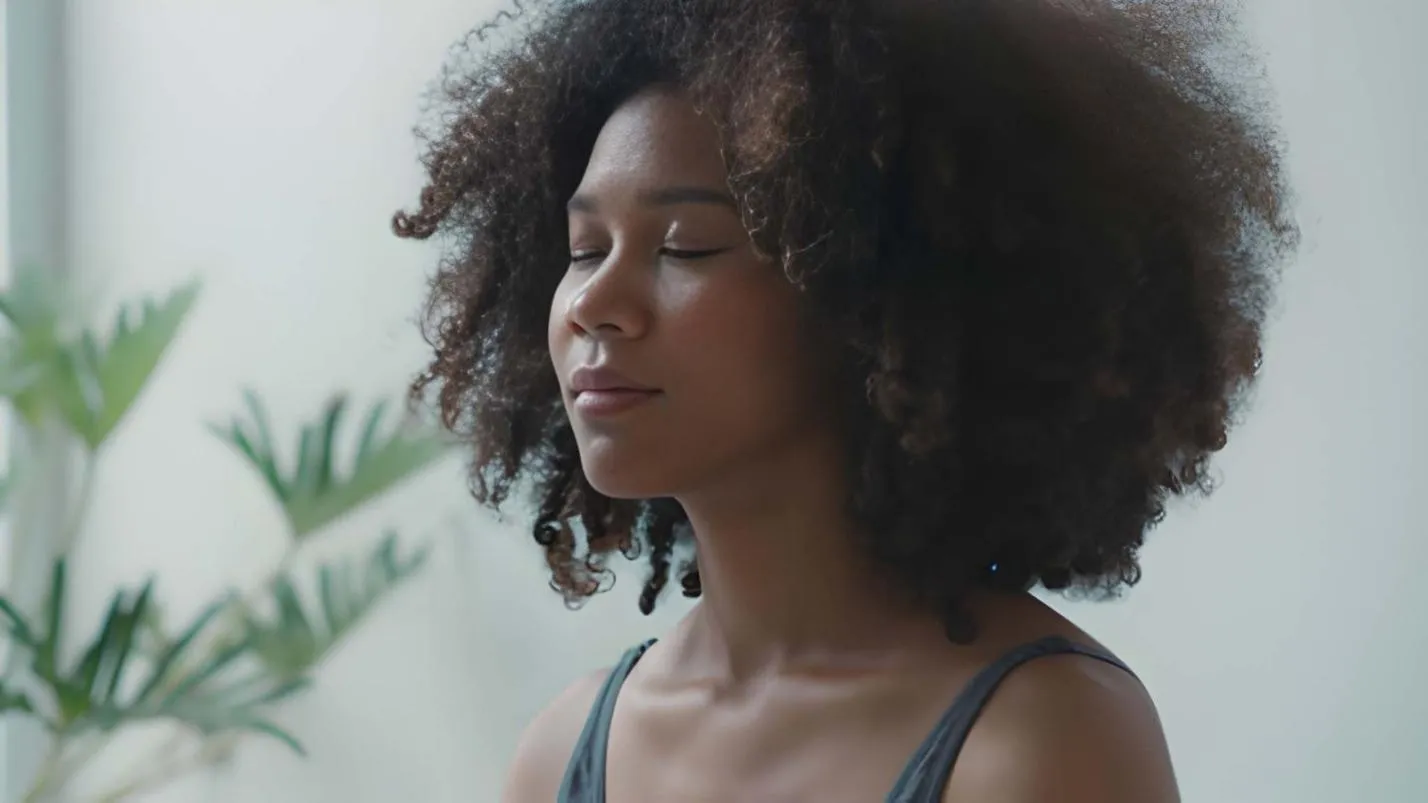
Finding curly extensions that look believable next to natural 4A–4C hair can feel harder than it should be. Many options appear promising in photos, but once they arrive, the curl pattern, density, shine, or overall fullness can look off against your real texture. The best match is rarely just about picking “curly hair.” It is about choosing extensions that reflect the character of textured hair in a way that feels natural, soft, and wearable. When you understand how curl shape, shrinkage, bulk, and blending work together, it becomes much easier to choose bundles that support protective styling while still giving you a finish that looks like it could genuinely be your own hair.
Start With Your Natural Texture, Not Just the Product Label
When shopping for natural-looking extensions, the first step is to study your own hair honestly. Women with textured strands often get the best results when they choose Kinky Curly Human Hair Bundles based on how their real hair behaves, not just how the bundle looks in a styled photo. Pay attention to your curl family, the amount of volume your hair creates, and whether your strands dry fluffy, compact, soft, or more defined.
This matters because 4A–4C hair is not one single look. Some people have a springier pattern with visible ringlets, while others have a tighter, cloud-like texture with more shrinkage and fullness than definition. A believable match should reflect your overall texture story, including how your hair expands, how it frames your face, and whether it naturally appears stretched, dense, airy, or plush.
Match Density, Shrinkage, and Finish for a More Realistic Blend
A good textured install is usually won or lost by density. Even when the curl pattern looks close, hair that is too thin, too shiny, or too uniform can immediately stand apart from real 4A–4C strands. The most flattering choices usually have enough fullness to mimic natural volume without looking heavy or overly manufactured. That balance is what helps an install blend into leave-out, edges, and the overall silhouette of your hair.
Shrinkage is another major clue. Textured hair changes shape as it dries, so your extensions should not hang in a way that feels disconnected from your real hair. A strong match usually has some visual bounce and compactness, especially if you plan to wear a wash-and-go look, a curly leave-out, or a style with visible roots. Also look at luster. Natural Black hair often looks best with a soft or medium sheen rather than an overly glossy finish.
-
Choose texture with realistic volume, not stiff bulk.
-
Check whether the curl pattern looks soft and touchable, not overly perfect.
-
Look for a natural sheen that will not contrast sharply with your own hair.
-
Think about shrinkage before choosing length.
Think About How You Plan to Wear the Hair
Your styling method should guide your purchase just as much as the texture itself. If you want flexibility, minimal commitment, and the option to take your hair out at the end of the day, natural-textured wearers often lean toward Kinky Curly Clip In Hair Extensions because they can add fullness while still preserving a familiar, textured look. They work especially well for puff styles, half-up looks, stretched blowout blends, and quick volume without a full sew-in.
If you prefer a longer-wear protective style, traditional wefts may be the better fit. Either way, the goal is the same: choose hair that supports the way you actually wear your natural texture. Someone who usually styles their hair in fluffy twist-outs may need a different extension look from someone who wears more defined curls or stretched-out styles. The more your extensions reflect your day-to-day hair habits, the easier the blend will feel.
Choose Bundle Quantity and Length With Texture in Mind
Textured hair usually appears shorter and fuller than straighter patterns, so bundle planning matters more than many shoppers expect. A length that sounds long on paper can look much shorter once the hair shrinks into its natural shape. That is why it helps to shop with your finished look in mind rather than focusing only on the number of inches listed.
Bundle count also affects realism. Too little hair can make a style look stringy, while too much can create a finish that feels overly dramatic if your real hair is not very dense. In most cases, the best result comes from matching the bundle amount to the fullness you naturally like to wear. Think about whether you want a soft everyday look, a fuller glam finish, or a style that leaves enough room for your real texture to remain part of the final appearance.
-
Expect textured patterns to appear shorter than stretched or straightened hair.
-
Choose fullness based on your natural density and desired final silhouette.
-
Factor in leave-out if you want the install to look more seamless.
-
Remember that a realistic look usually beats an overly packed install.
Smart Style Takeaways
The most successful textured installs start with observation. When you know your own curl behavior, density, shrinkage level, and preferred styling habits, it becomes much easier to select hair that blends with confidence. The best choice is not always the most dramatic or the most defined. It is the one that mirrors the beauty of your natural hair in a way that feels believable from root to finish.
For women with 4A–4C hair, that usually means prioritizing realism over hype. Focus on texture character, softness, fullness, and the way the hair will actually move once installed. When those details line up, your extensions stop looking like an add-on and start looking like an effortless extension of your own style.
